
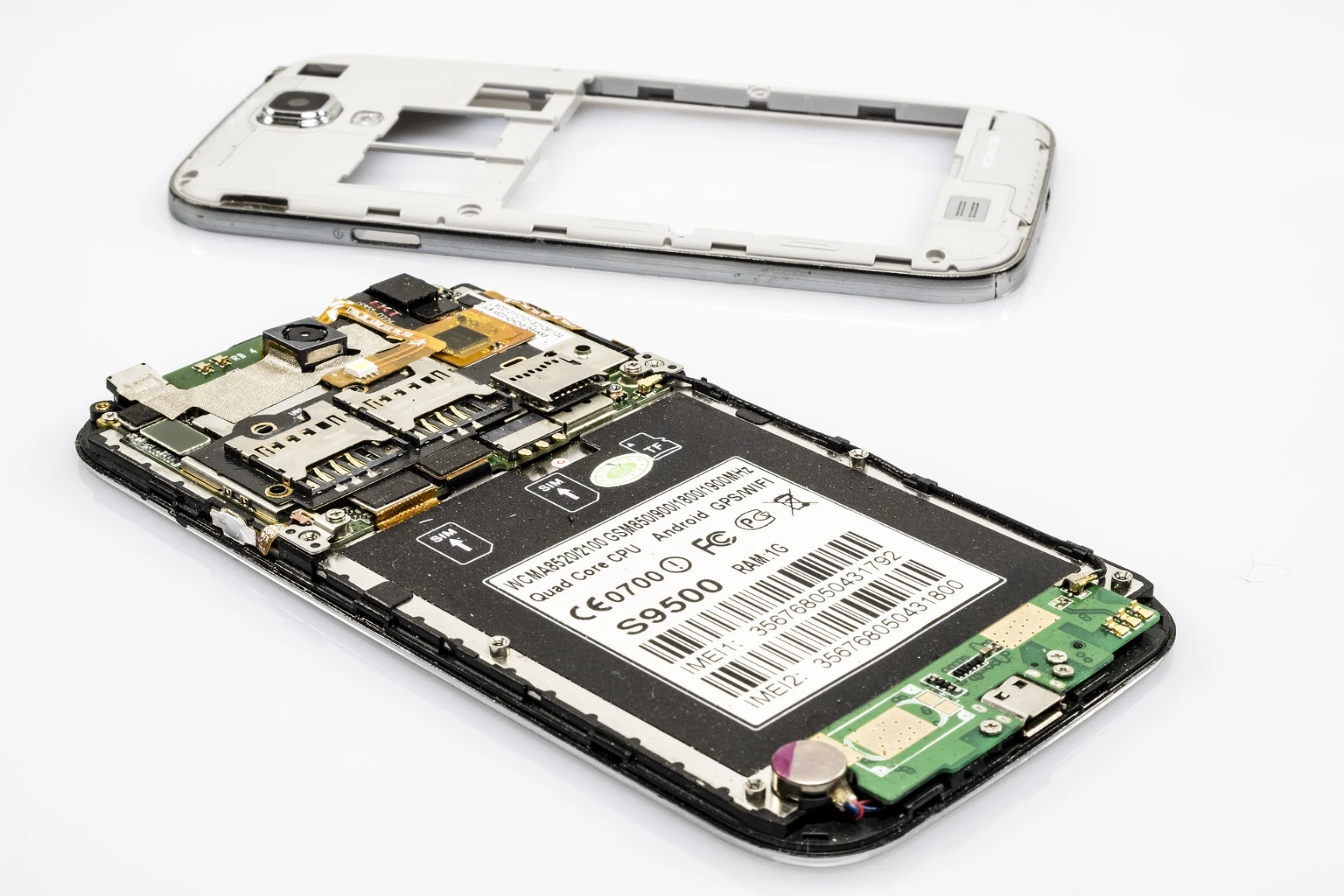
Yes, a water-damaged phone can often be fully repaired if you act quickly and follow the correct technical procedures. Success depends on the type of liquid, how long the device was submerged, and whether the internal circuits were powered during the exposure. We find that professional intervention within the first 24 hours significantly increases the chances of a complete recovery.
This guide provides a detailed look at the recovery process for liquid-exposed electronics. We draw on years of hands-on technical experience to explain what happens inside your device and how to handle the situation effectively. Our expert findings will help you determine the best path forward for your hardware.
What happens to your phone after liquid exposure
When liquid enters a smartphone, it creates immediate and long-term problems. The initial contact can cause a short circuit if the battery is still sending power to the components. This happens because most water contains minerals and impurities that conduct electricity across paths not designed to handle it.
Even if the phone stays on, a process called electrolytic corrosion begins almost instantly. This reaction eats away at the delicate copper traces and solder joints on the circuit board. If left unaddressed, this damage becomes permanent, making a full mobile repair much more difficult or even impossible.
Data from a report by SquareTrade indicates that liquid damage is one of the leading causes of accidental device failure. Many users wait too long to seek help, allowing the internal environment to remain damp. Moisture trapped inside a sealed phone can take weeks to evaporate on its own, providing ample time for rust to form.
Why the rice method is a mistake
One of the most common myths in the repair industry is using uncooked rice to dry out a phone. While it might seem like the rice is pulling moisture out, it actually does very little for the interior of the device. Rice can also introduce fine dust and starch into the charging port and headphone jack, creating more issues.
The real danger is the false sense of security this method provides. While the phone sits in a bowl of rice, the internal mineral deposits, which lead to rapid oxidation, are hardening on the motherboard. These deposits continue to conduct electricity and cause damage even after the liquid is gone. Using a vacuum or specialized drying equipment is a much more effective approach.
Bonus Tip: If your phone falls into salt water, the situation is much more urgent. Salt is incredibly corrosive and conductive. Power the device off immediately and get it to a technician who can perform a deep internal cleaning.
The professional repair process for liquid damage
A professional repair involves more than just drying the phone. We follow a specific sequence to ensure the hardware is stable and safe to use. This process focuses on removing the source of the problem rather than just the visible symptoms.
| Step | Action | Purpose |
|---|---|---|
| 1 | Disassembly | Opening the casing to access all internal layers. |
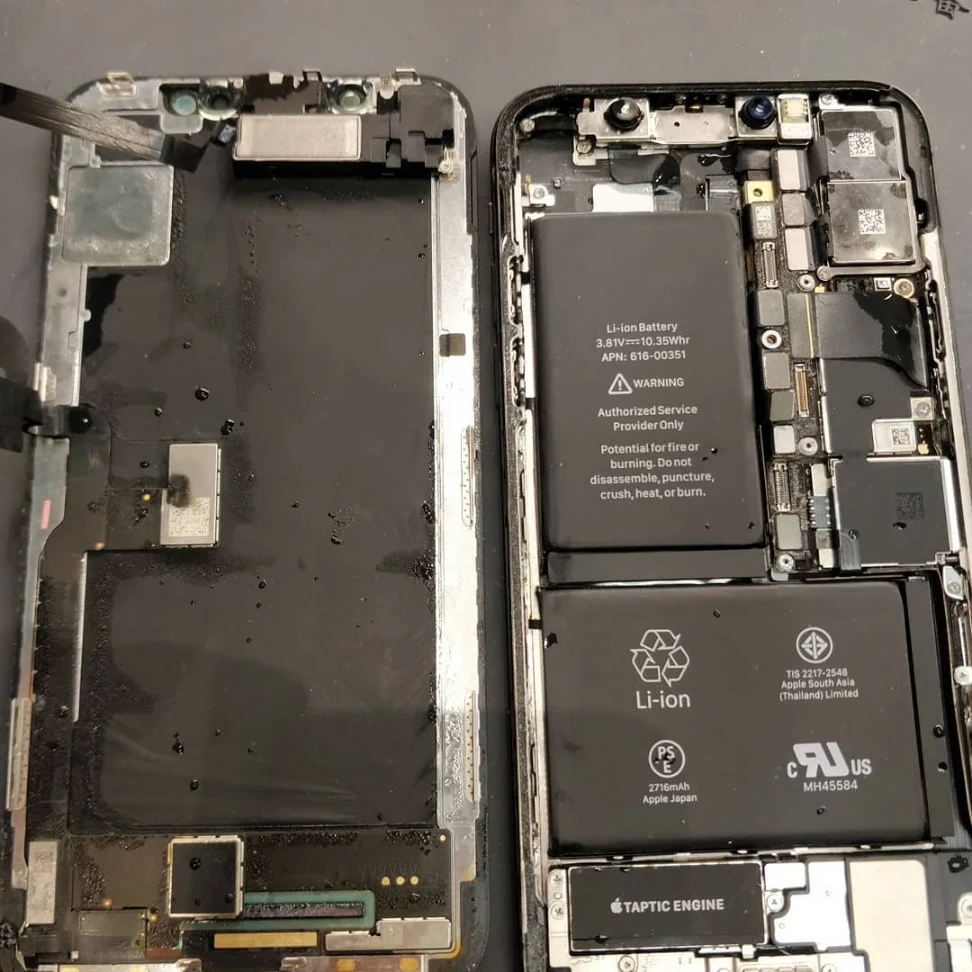
| 2 | Power Disconnection | Removing the battery to prevent further short circuits. |
| 3 | Ultrasonic Cleaning | Using sound waves and chemicals to strip oxidation. |
| 4 | Component Inspection | Checking the integrated circuits under a microscope. |
| 5 | Part Replacement | Swapping out damaged liquid contact indicators or screens. |
Our observations from the field suggest that the screen and battery are the most common parts needing replacement. The screen often develops dark spots or flickering, while the battery may swell or lose its ability to hold a charge after getting wet.
Factors that determine if a phone is fixable
Several variables dictate whether a device will return to 100% functionality. The type of liquid is the primary factor. Fresh water is the least damaging, while sugary drinks, coffee, and salt water are much more aggressive. The sugar and acids in these liquids leave behind a sticky residue that is hard to remove without specialized chemicals.
Another factor is the ingress protection rating of the device. Modern phones often come with ratings like IP68, which means they are designed to resist water for a certain period. However, these seals can degrade over time or fail if the phone has been dropped before. A small crack in the frame can bypass all factory protections.
According to technical documentation from IFIXIT, even “water-resistant” phones are not entirely “waterproof.” The seals are meant for accidents, not prolonged submersion. If the seals are breached, the internal logic board is just as vulnerable as an older, non-rated phone.
Immediate steps to take after the spill
If your phone gets wet, your first move should always be to turn it off. Do not try to charge it, as this sends fresh current through potentially wet components. If the battery is removable, take it out immediately. For most modern phones, you will need to leave the battery inside but keep the power off.
Dry the exterior with a lint-free cloth and remove the SIM card tray. This opens a small vent for air to circulate. Do not use a hairdryer, as the intense heat can melt the adhesive holding the screen in place or damage the organic light-emitting diode display.
Things to look for before choosing a repair service
Before you commit to a repair, you should evaluate the transparency of the service provider. A reputable shop will offer a diagnostic test to see which parts are failing. They should also be honest about the chances of success. Sometimes, a phone is so badly corroded that a repair is only worth it for data recovery rather than daily use.
Ask if the shop uses ultrasonic cleaners. Manual cleaning with a toothbrush and alcohol is okay for minor spills, but it cannot reach the tiny spaces under the surface-mount devices on the motherboard. Professional equipment is necessary for a “full” repair that lasts.
Bonus Tip: Check your warranty or insurance policy before paying for a repair. Some premium plans cover liquid damage, though most standard manufacturer warranties do not.
Long-term reliability after a repair
A common concern is whether a phone will fail a few months after being “fixed.” If the cleaning was done correctly and all corroded traces were repaired, the phone can be just as reliable as it was before. The goal of a professional repair is to return the motherboard to a pristine state.
However, if some corrosion remains, it can act like a slow-growing disease. Moisture in the air can react with the leftover minerals, eventually causing a new short circuit. This is why a thorough internal cleaning is the most important part of the entire service.
Research published by Consumer Reports highlights that while many devices are resilient, the complexity of modern hardware makes DIY repairs risky. Professional tools are often required to properly reseal the device to its original factory specifications.
Get back to full functionality with our help
At Mobile Square, we understand how stressful it is to lose access to your device. Our technicians use advanced diagnostic tools to identify every point of failure caused by liquid exposure. We focus on providing a clear path to recovery so you can make an informed decision about your hardware. If you are worried about your device, we offer a free quote to assess the damage. Contact us at 647-970-9700 or send an email to info@mobilesquare.ca to discuss your situation. We are here to help you get your phone back in working order.
Summary of recovery options
While every situation is unique, the likelihood of a full restoration remains positive for most users who act fast. By avoiding common mistakes like the rice trick and ensuring the device stays powered down, you maximize the potential for a successful outcome. Always prioritize professional cleaning to prevent long-term corrosion from destroying your phone’s internal components.
Common Questions About Liquid Damage
How much does it cost to fix a water-damaged phone?
The cost usually ranges from $50 to $150 for a professional cleaning. If parts like the screen or battery need replacement, the price will increase based on the specific model and components.
Is a phone still waterproof after it has been repaired?
In most cases, no. Opening a phone breaks the factory seals. While we use high-quality adhesives to close the device, we cannot guarantee the same level of water resistance as the original factory.
How can I tell if there is internal damage?
Most phones have a small white sticker inside the SIM slot or near the battery. If this sticker has turned red or pink, it indicates that liquid has entered the device.
Can I use a hair dryer to dry my phone?
No, you should never use a hair dryer. The heat can warp internal components and push water deeper into the phone. Using a fan for cool air circulation is a much safer option.
Should I try to turn the phone on to check it?
Do not turn the phone on for at least 48 hours unless it has been professionally cleaned. Powering a wet phone is the most common way to cause permanent motherboard failure.
Sources
- SquareTrade – A provider of protection plans for electronics that tracks common causes of device failure including liquid damage.
- IFIXIT – A global community of repair experts providing technical guides and data on smartphone internal structures and water resistance.
- Consumer Reports – An independent nonprofit organization that researches and tests consumer products for durability and repairability.